Blog
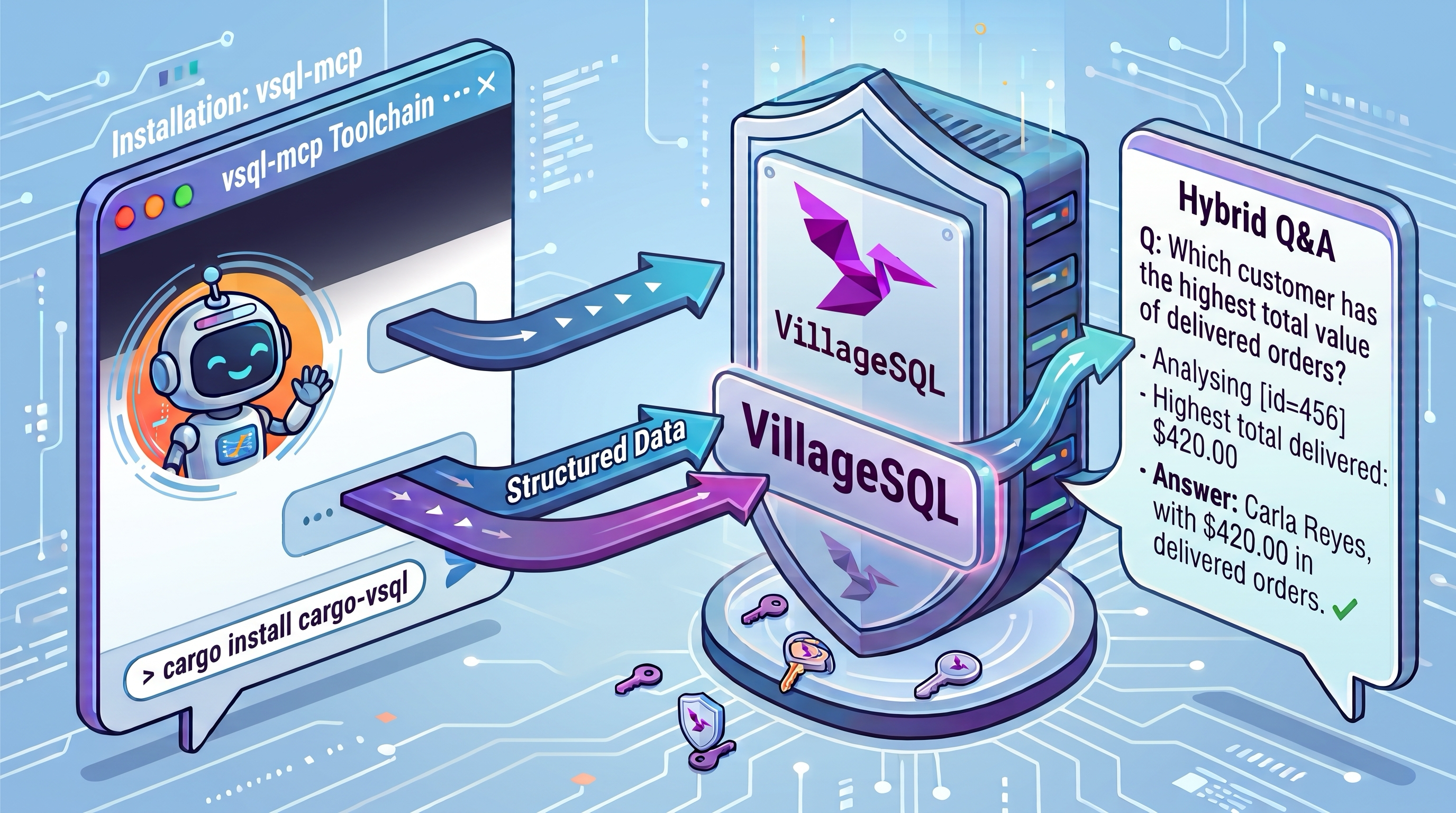
How easy is it to use the VillageSQL MCP extension?
VillageSQL published Access MySQL over MCP with vsql-mcp . The extension serves the Model Context Protocol from inside the database, so an agent talks to MySQL over Streamable HTTP without a sidecar holding a credential.
Read more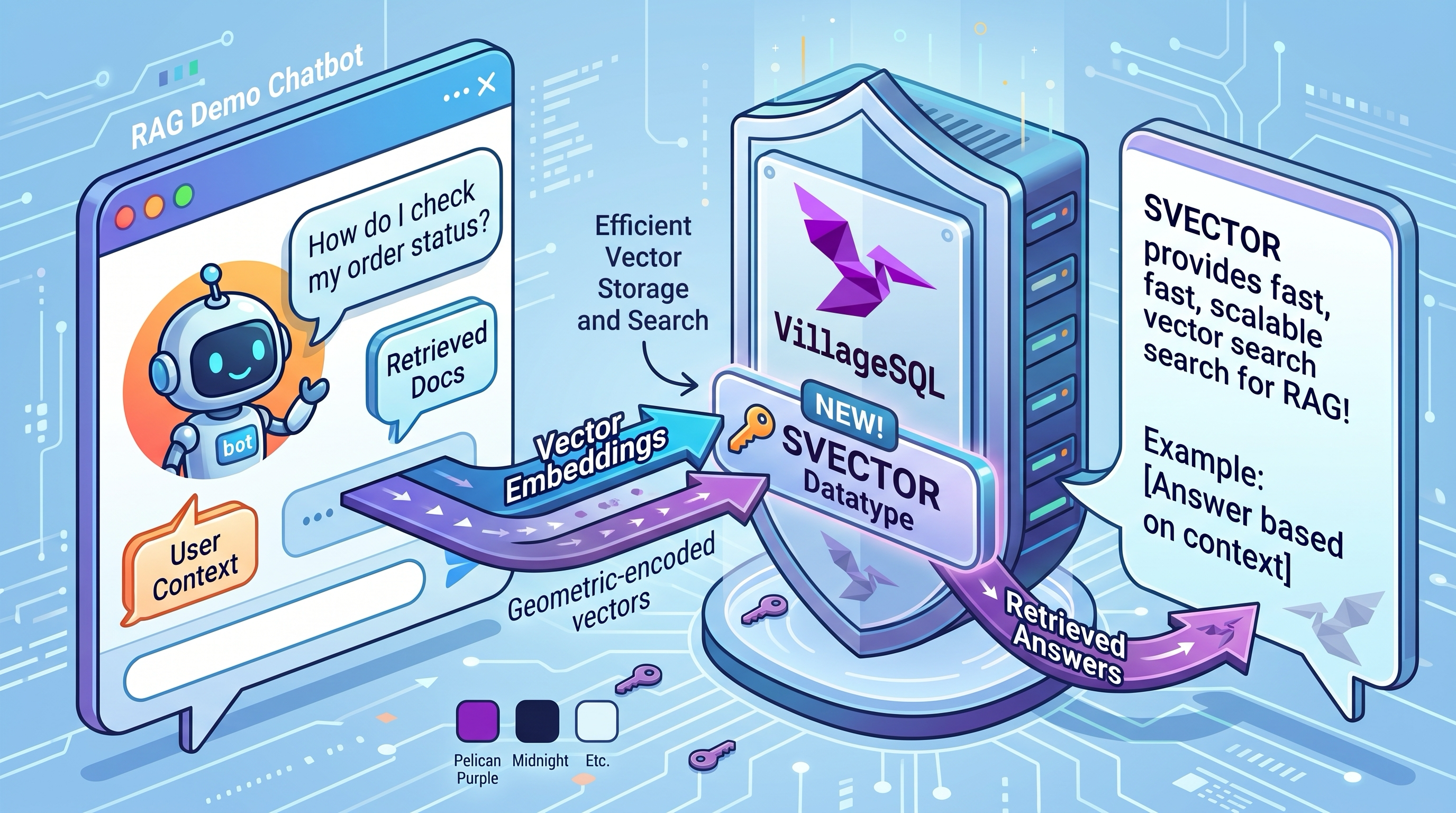
Getting VECTOR capabilities in MySQL 8.4 using VillageSQL
For this quick verification of the 0.0.7 development branch of VillageSQL with the new vsql-vector plugin. Recreate the VillageSQL Percona Live presentation using MySQL version 8.4 and SVECTOR. Demonstrate a more detailed example using SVECTOR(1024) string embedded data.
Read more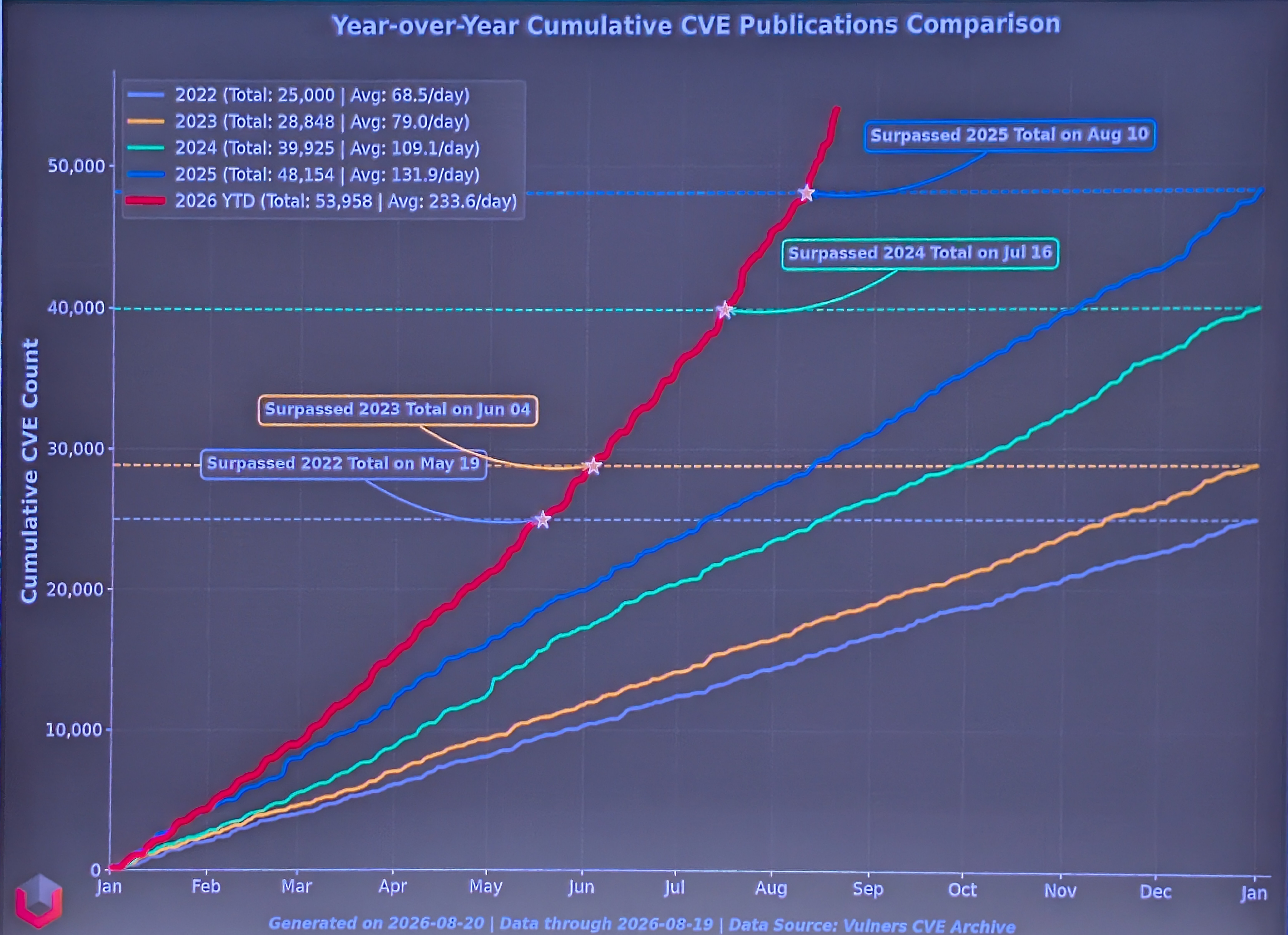
Improving container security in your CI/CD pipeline
At PyCon AU 2026 , the presentation Your Python container is 90% stuff you didn’t ask for by Scott Norris at Chainguard really exposed the impact of being lazy in container management for security purposes.
Read more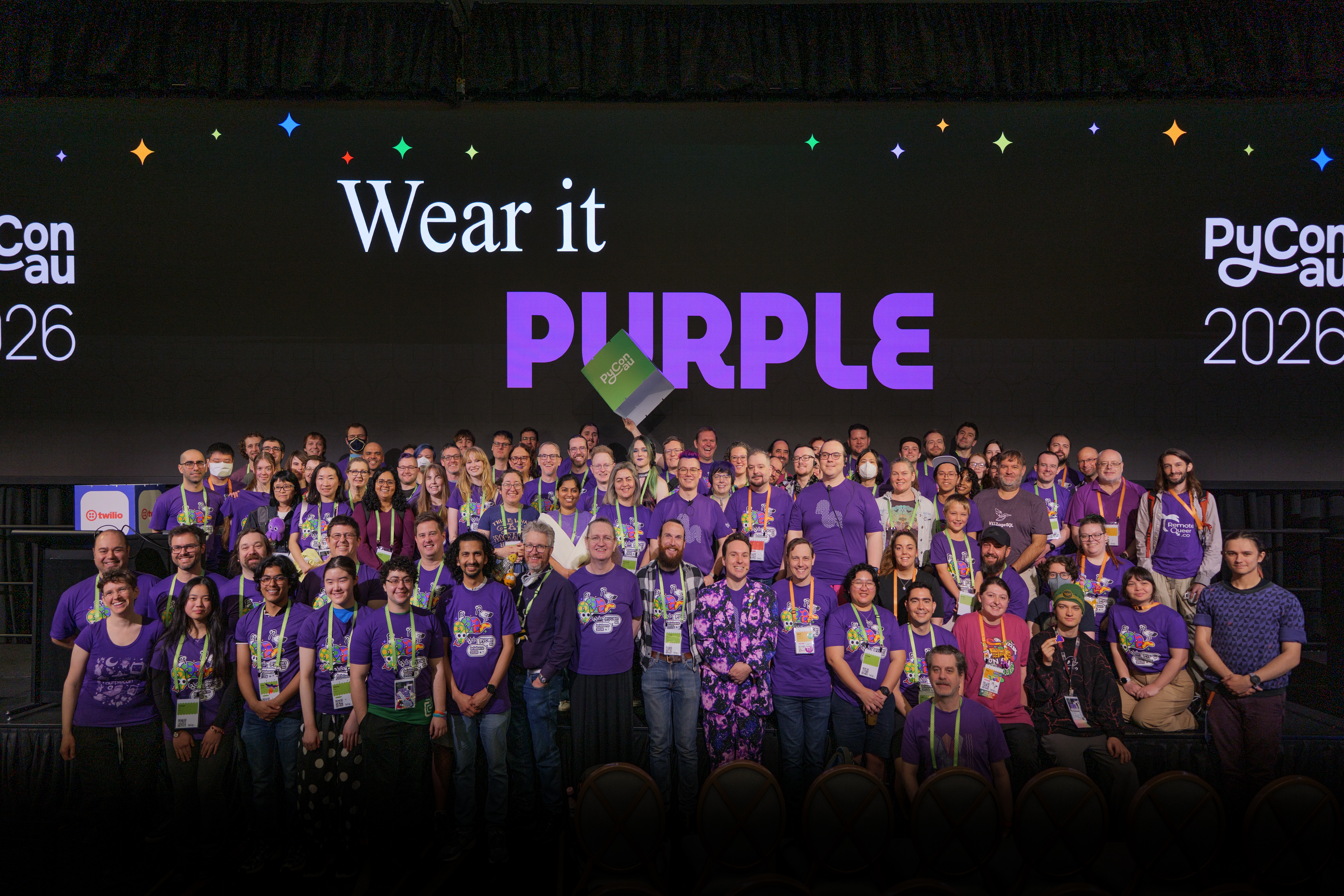
My take on PyCon Australia 2026
PyCon AU 2026 held in Brisbane this week was a five day event for the Python community. With specialized tracks and dedicated tutorial and engineering days there was a wide variety of content available.
Read more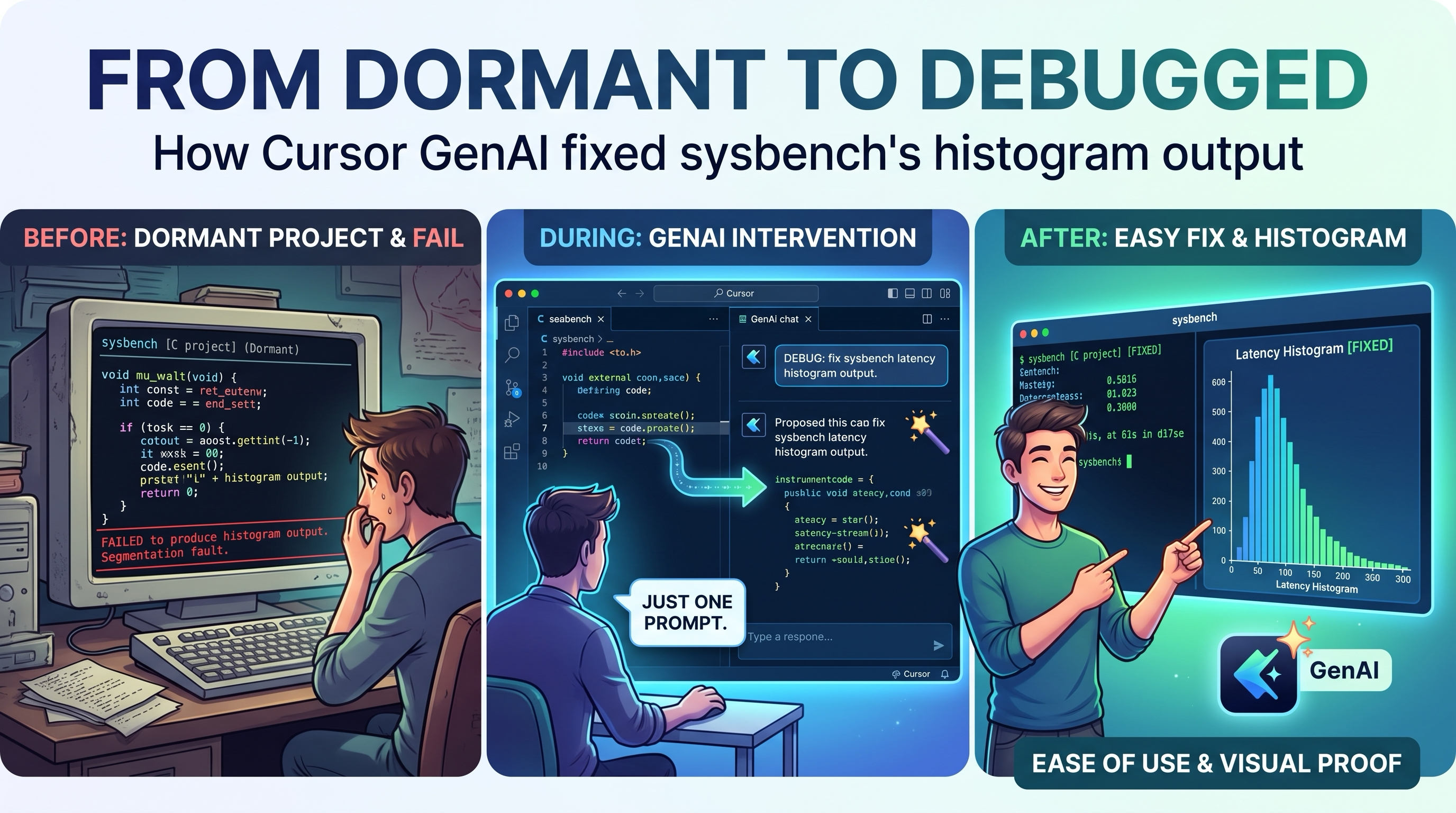
Fixing Old Software Bugs Without Thinking
I previously came across an issue in my benchmarking work where I relied on the Latency Histogram section of sysbench output. On Linux it worked fine — I generally ran my workload there, so it never mattered.
Read more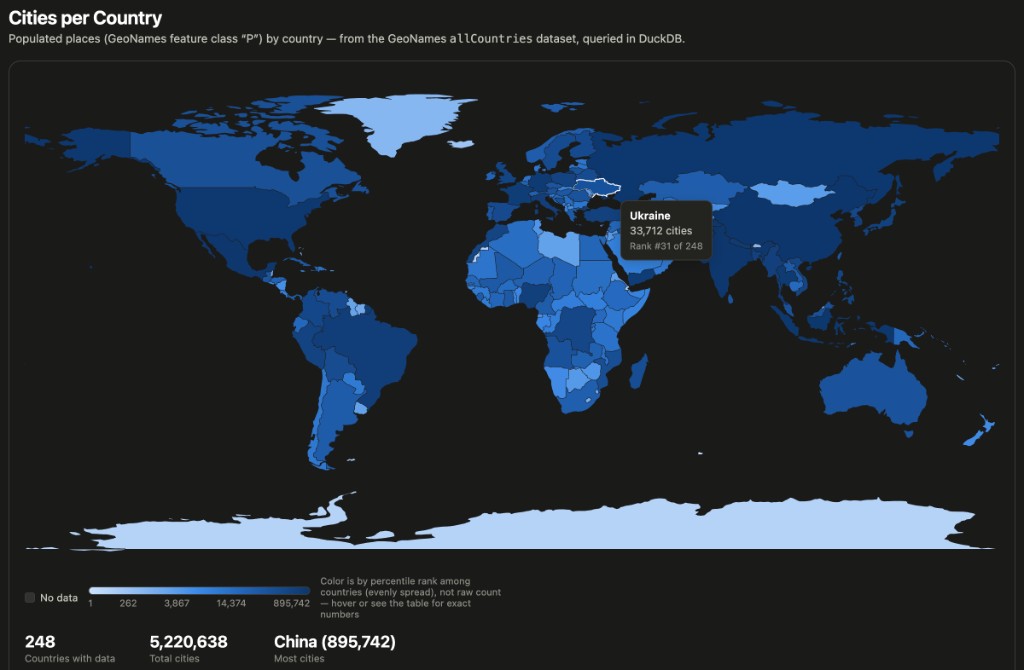
Curating DuckDB Datasets Leveraging AI
In Curated MySQL Data Sets for Realistic Testing I described datasets assembled the manual way — download, schema, load, validate, document — over hours or days per source. This post is the follow-up I promised: what changes when AI assists the same workflow, using DuckDB as the target engine and GeoNames as the first example.
Read more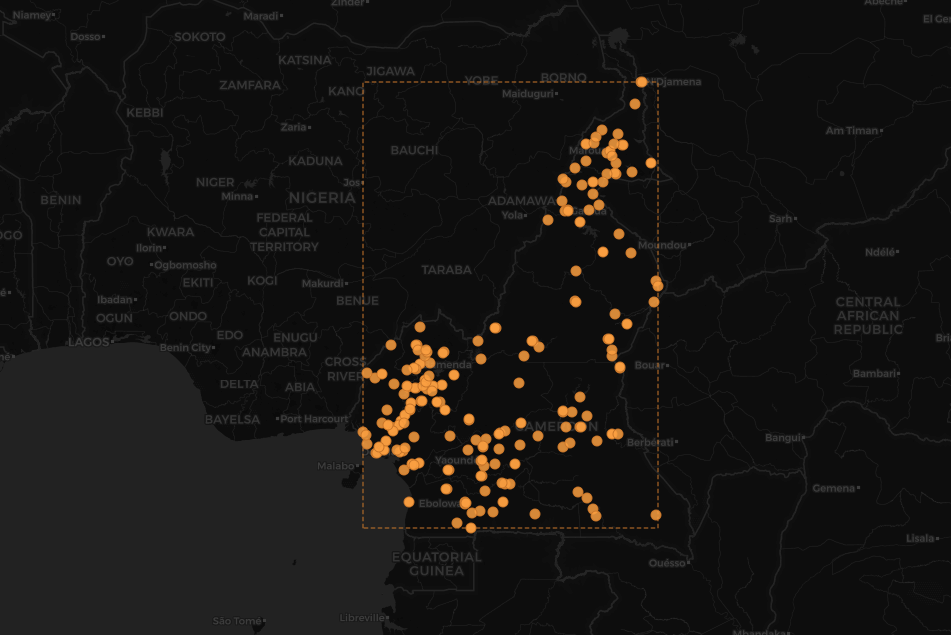
Why INSERT IGNORE should not be used
Let’s say you’re building a reference table from source data, e.g. a silver medallion table from a primary source. In this example I am using a file of random locations on the globe extracted from OpenStreetMap (OSM) as my primary source.
Read more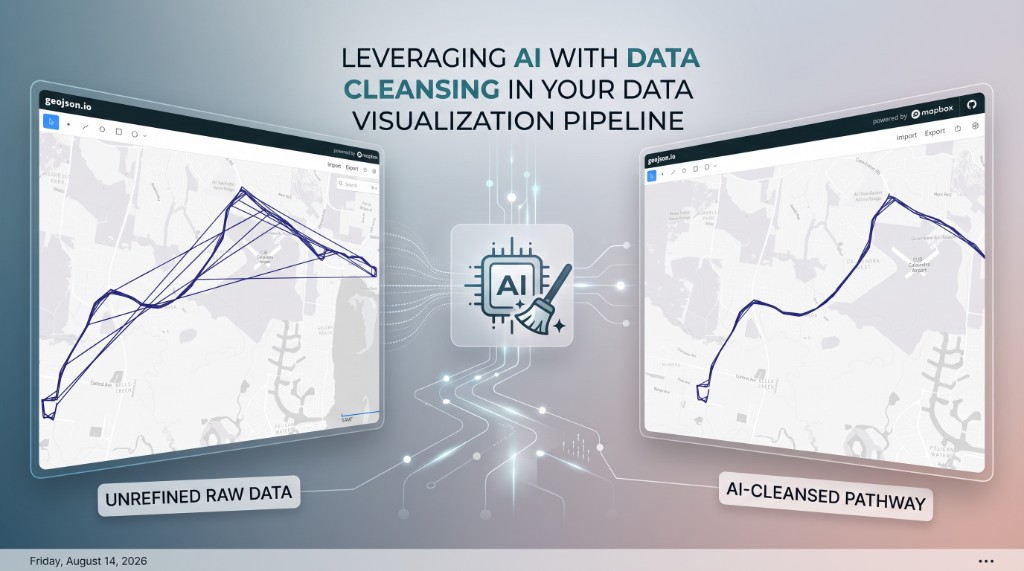
What Constitutes Clean Data?
Clean data is one of those terms everyone uses and few define precisely. Row counts match? No nulls in key columns? Values within expected ranges? All useful checks — and all insufficient once you move from a table view to a visualization view.
Read more
Curated MySQL Data Sets for Realistic Testing
Synthetic benchmarks have their place, but I have always preferred working with real data. Not client production data — that stays private — but publicly available datasets that reflect the messy shapes, skewed distributions, and indexing challenges you encounter in the wild.
Read more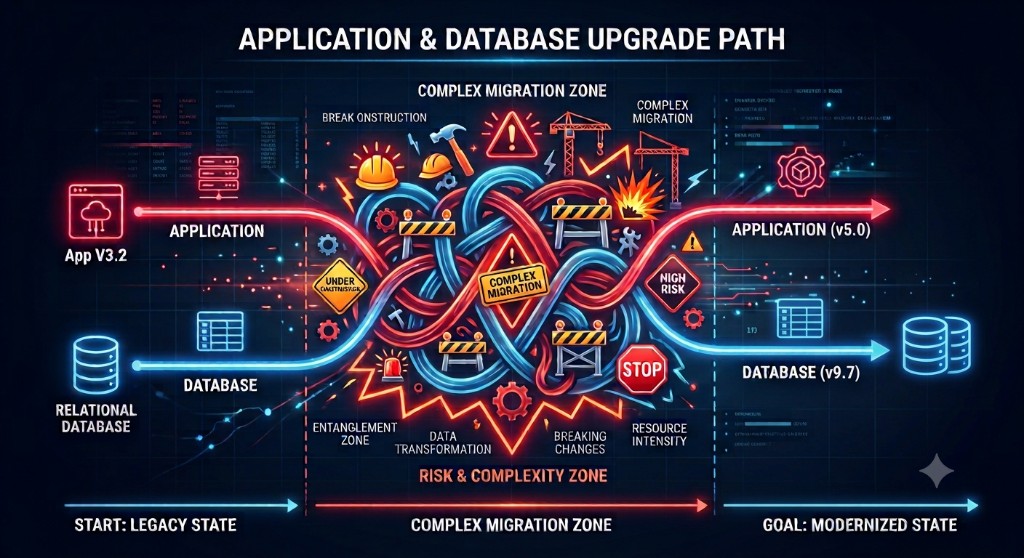
COSCUP 2026: Planning your upgrade to MySQL 9.7
I recently had the pleasure of presenting Planning your upgrade to MySQL 9.7 at COSCUP 2026 in Taipei, Taiwan. COSCUP (Conference for Open Source Coders, Users and Promoters) is one of the largest open source conferences in Asia, and the community there is always engaged and technically sharp.
Read more
DataEngBytes Sydney Overview
I have just returned from my first DataEngBytes conference in Sydney. Here is a quick summary on my thoughts for the event. I plan to go into more detail on great points from presentations in later posts.
Read more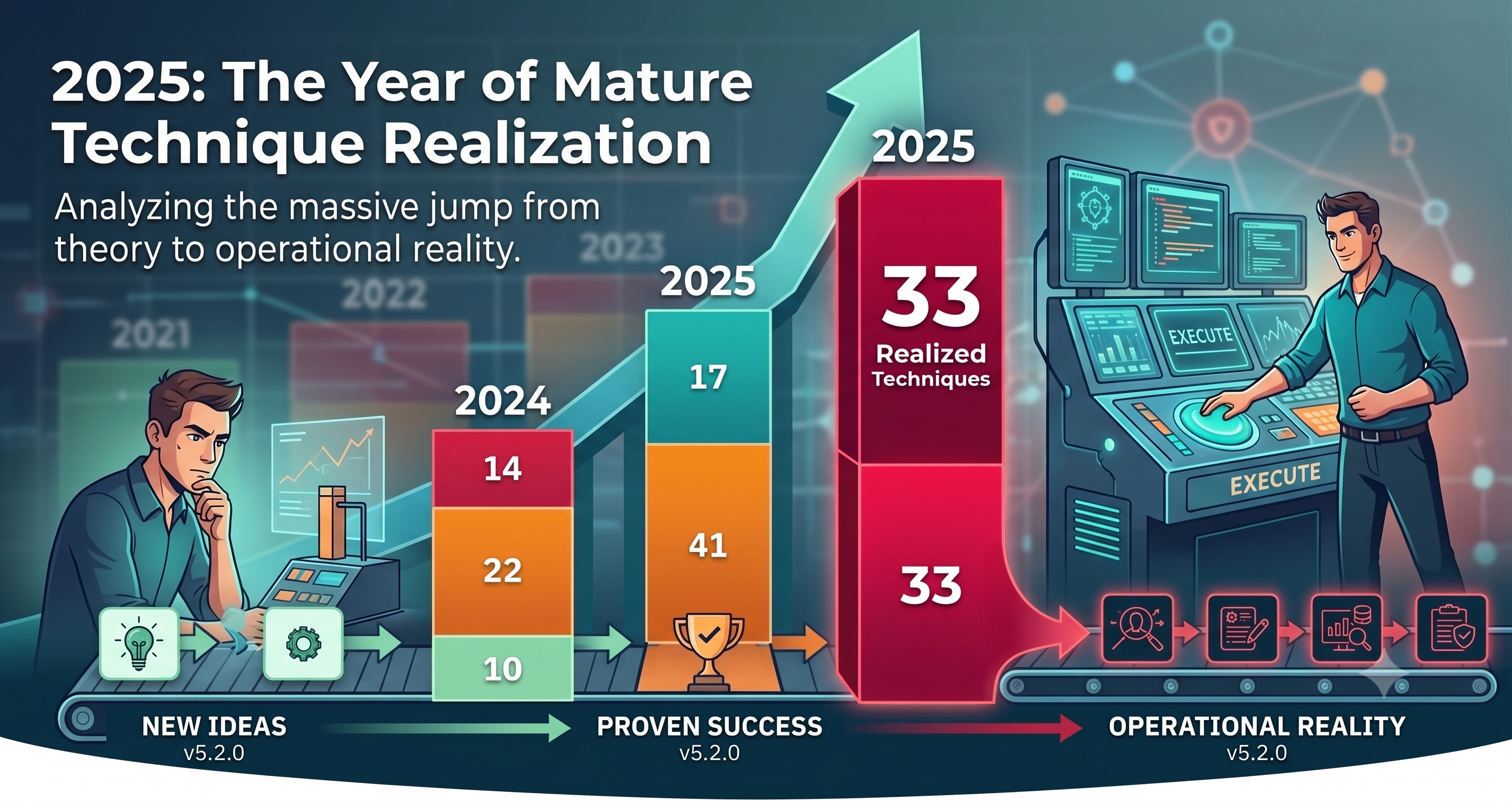
MITRE ATLAS - A 2025 Review
The MITRE ATLAS Matrix provides a working knowledge base of adversary tactics, techniques, and real-world case studies specifically for Artificial Intelligence (AI) and Machine Learning (ML) systems. It adapts the established MITRE ATT&CK adversary tactics and techniques matrix which is the standard reference for traditional IT cybersecurity.
Read more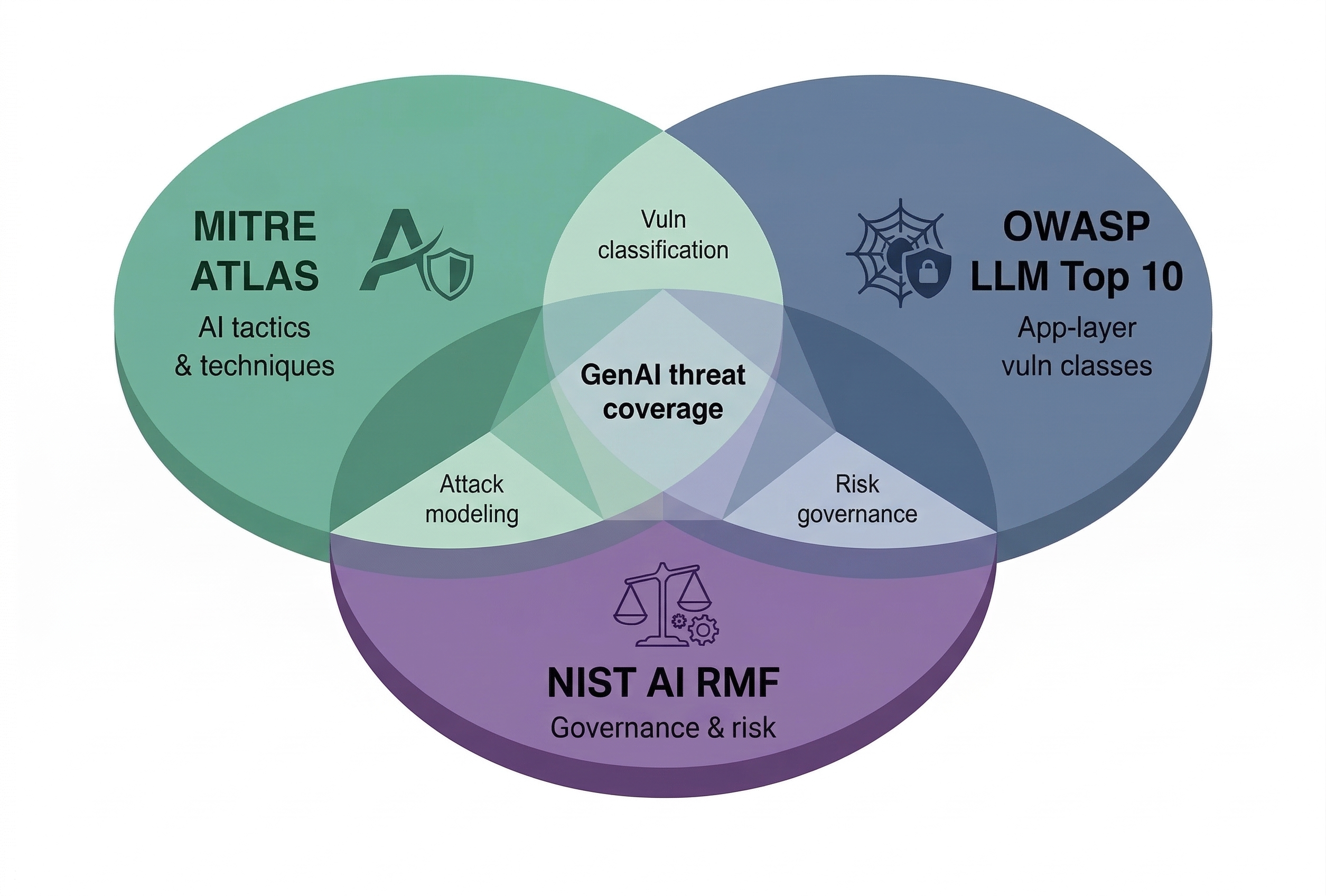
Foundational Frameworks for GenAI Security Analysis
Three frameworks form the analytical foundation of this series’ threat analysis, selected for their complementary coverage of the GenAI security landscape and their broad adoption across enterprise security practices. The MITRE Adversarial Threat Landscape for AI Systems (MITRE ATLAS) maps tactics and techniques specific to AI systems.
Read more
A first look at MySQL 26.7 Early Access
MySQL has dropped its newest release , categorized as “Early Access” and available at https://labs.mysql.com/ . While this post is not going to go into depth, I wanted to at least validate the management changes you verify between normal MySQL upgrades.
Read more