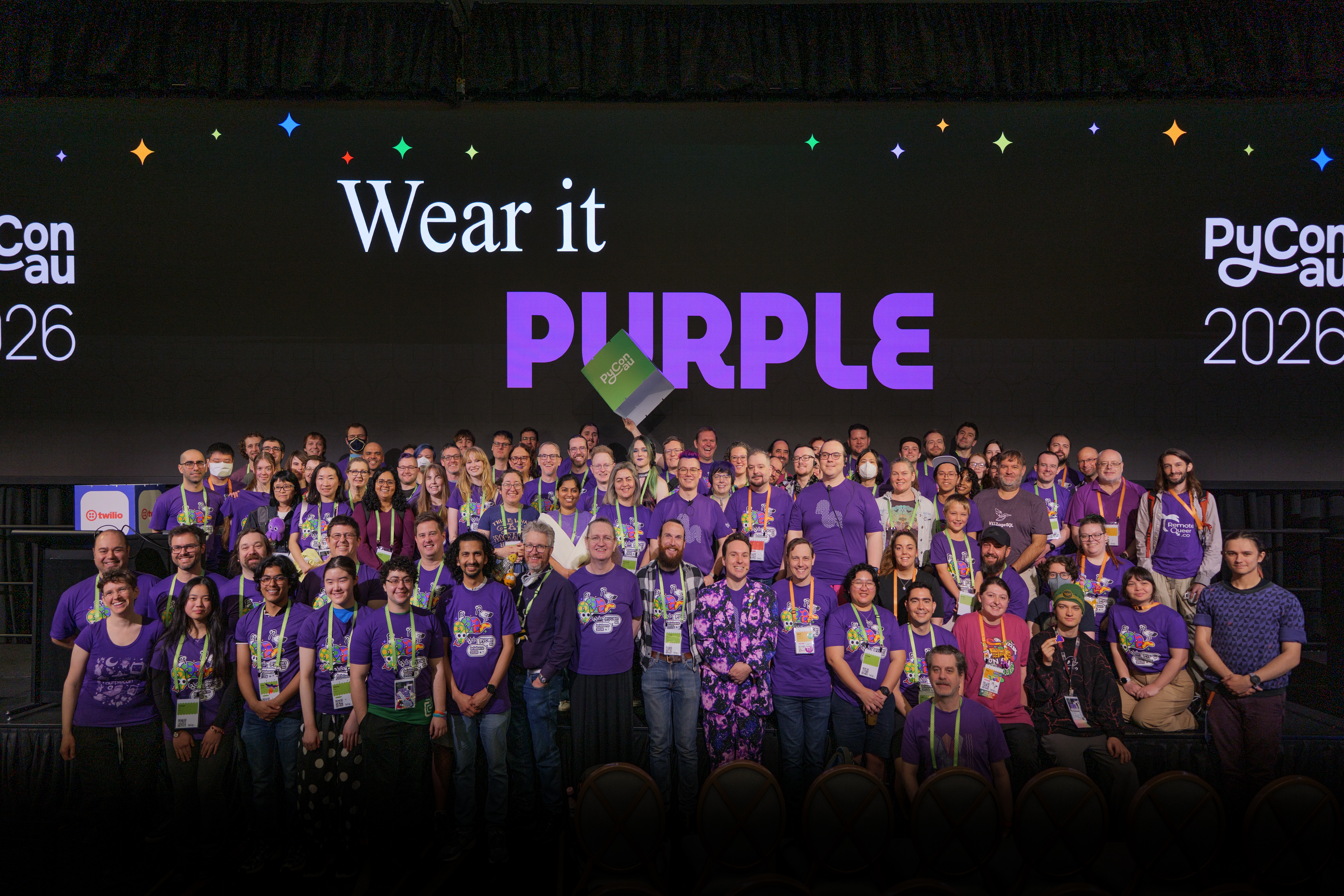
I attended the Ultra light startup’s meeting last night for the first time. I found it most productive for the 2 hours of time to see a different approach talking about startups, to see a variety of approaches, concepts, ideas, ventures all at various stages and generally people with different and interesting ideas and goal.
The start included a 1-2 min elevator pitch by every person with a few questions of feedback. Some interesting projects included, Rose Tech Ventures Incubator , Home Shop Technologies , New York City Co-working , Wiki Streets , Robots for Planet Earth , Festival Travel Channel , Sunshine Suites , Peek You and Wiki Pages . Two presenters put forth their ideas,concepts, and intentions with domains registered within the last 2 days.
The main discussion was on Co-Working, a concept I’ve not heard of before. It’s a different approach to the Telecommuting approach, companies moving from attendance based to performance based. Another term mentioned as ROW – Results Only Work environment.
I think some improvements in the “elevator pitch” would be.
- egg timer for 90 seconds
- Recommend people have 3 slides, and example layout would be “How I am”, “What we do”, and “What we want”
- Some tips of not what to put on slides, like for example, more then 5 lines and less then 30 point for example.
References
Facebook Group
Subscribe to mailing list